Comfort, dignity and presence at life's most tender time
When the goal of care becomes comfort rather than cure, the quality of that care matters more than ever. Our palliative care provides expert symptom management, gentle support and unwavering dignity — for residents and for the families who love them.
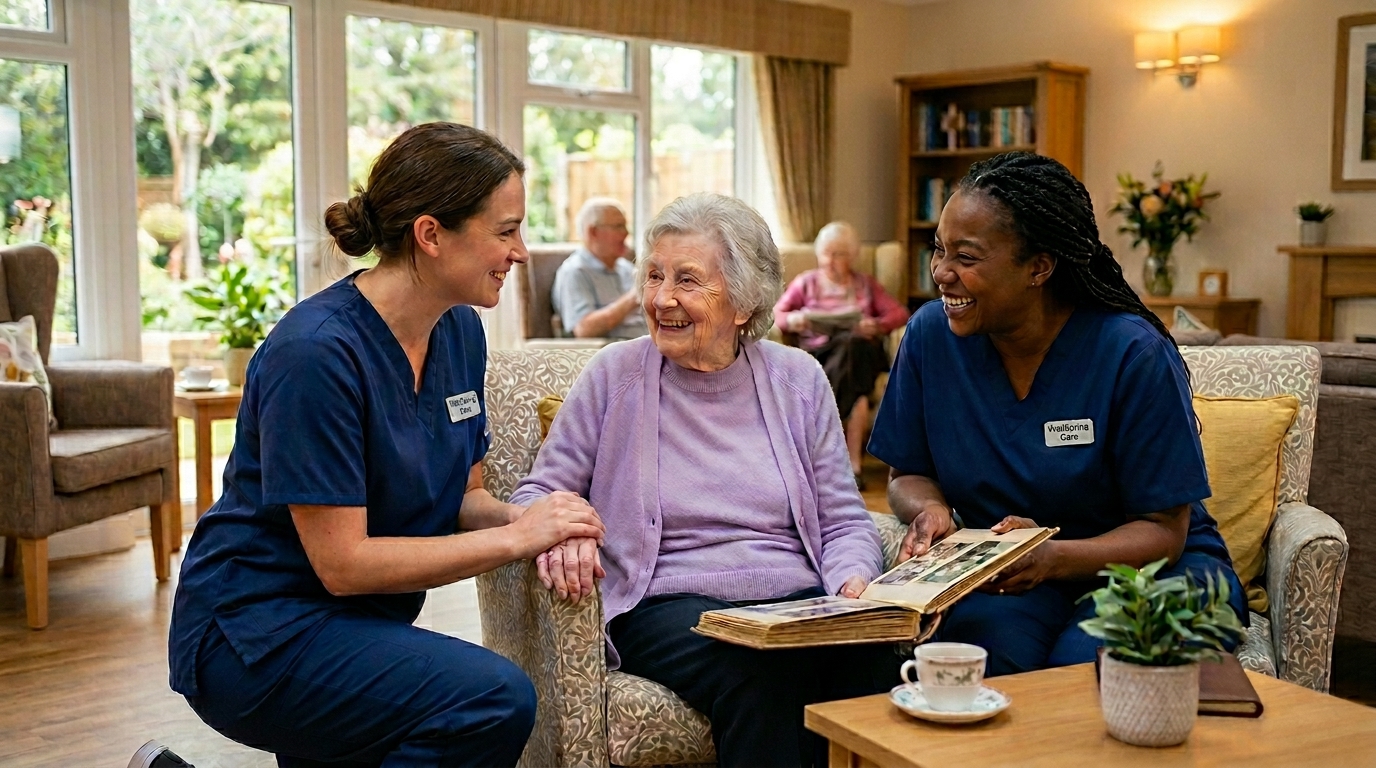
Caring for the whole person at the end of life
Palliative care focuses on comfort, dignity and quality of life for people living with a life-limiting illness. At Molly Ryan Care, we believe everyone deserves to approach the end of life free from unnecessary pain or distress, surrounded by warmth, respect and the people they love.
Our registered nurses are skilled in symptom management — pain, breathlessness, nausea and anxiety — and work closely with GPs, hospice teams and specialist palliative services to keep residents as comfortable as possible. Equally important is the emotional, social, cultural and spiritual care that helps people feel safe and at peace. We honour each person's wishes, beliefs and culture, including tikanga Māori and the practices of all faiths.
For residents already living with us, palliative care means they can remain in their familiar home, with the staff who know and love them, rather than facing the upheaval of a move. For families, it means expert support, gentle honesty and the reassurance that their loved one is comfortable and cared for at every moment.
Is this the right care?
Palliative care is for people living with a life-limiting illness where the focus of care has shifted to comfort and quality of life.
- A life-limiting illness where comfort is now the priority
- Symptoms such as pain or breathlessness need expert management
- A familiar, peaceful environment is preferred over hospital
- Emotional, cultural and spiritual support is important to the person and family
- An existing resident's needs have progressed to end-of-life care
- Families need guidance, presence and support through a difficult time
Benefits for residents and families
Expert symptom relief
Skilled nursing management of pain and distressing symptoms, in partnership with hospice and GP teams.
Dignity always
Gentle, respectful care that honours each person's wishes, comfort and identity.
A familiar place
Residents can remain in their known home, with staff who care for them deeply.
Family support
Sensitive guidance, open communication and space for whānau to simply be present.
Cultural & spiritual care
Respect for tikanga Māori, all faiths and personal beliefs and rituals.
24/7 presence
Round-the-clock nursing so no one faces a difficult night alone.
How we deliver this care
Person-centred, evidence-based and built around the goals that matter most to you and your loved one.
Understanding wishes
We talk gently with the person and family about goals, wishes and any advance care plan, and honour them.
Comfort-focused care
Our nurses manage symptoms proactively, working with GPs and hospice specialists to maximise comfort.
Holistic support
We attend to emotional, social, cultural and spiritual needs, creating calm and connection.
Support through and beyond
We support families during this time and with compassion in the days that follow.
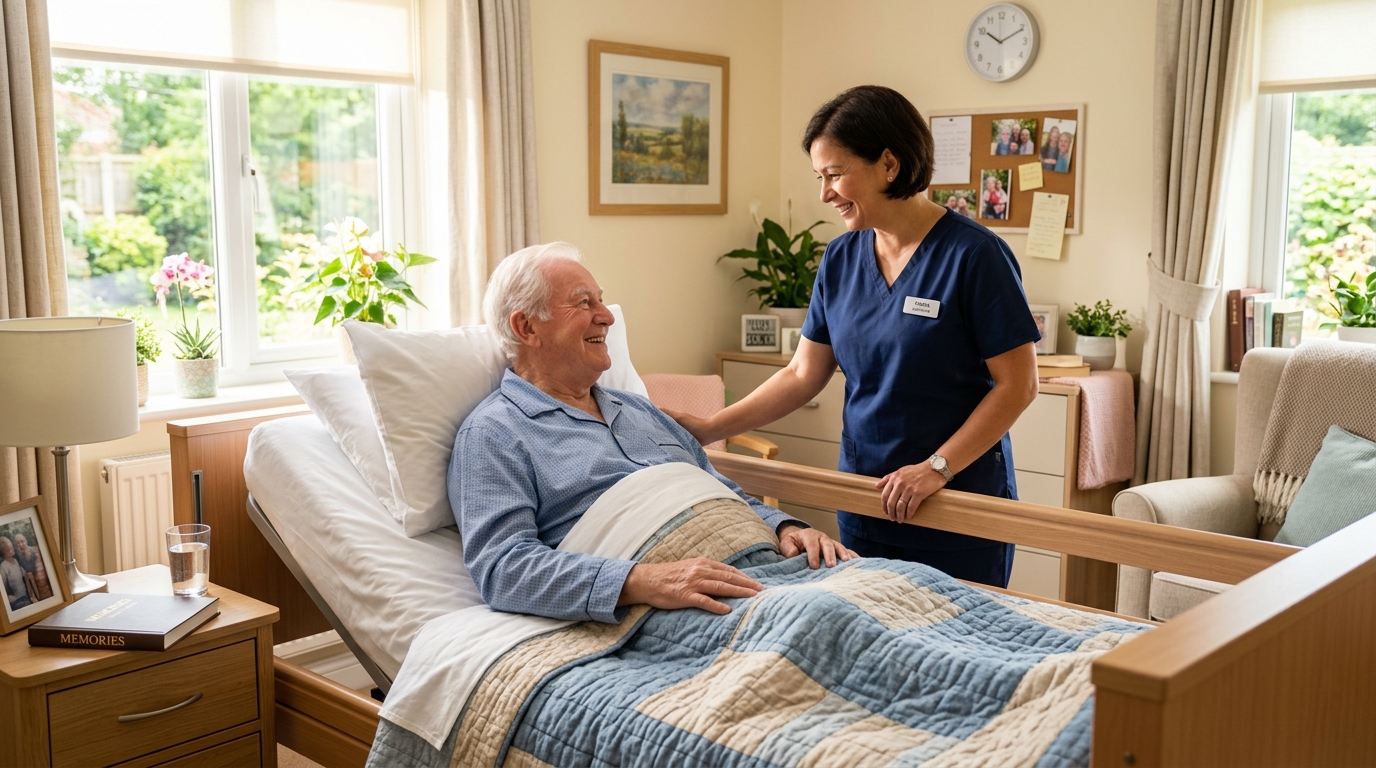
Holding space for whānau
At the end of life, families need to be families — present, close and unburdened by clinical tasks. We take care of the practical and medical so loved ones can focus on what matters: time together, words that need saying and simply being there.
We communicate honestly and gently, explain what to expect, and make room for whānau to stay close, including overnight. We respect every cultural and spiritual practice, and our team offers quiet, steady support through the journey and with compassion afterwards.
- Honest, gentle communication about what to expect
- Space for family to stay close, including overnight
- Respect for tikanga, faith and personal rituals
- Compassionate support for the whole whānau
Frequently Asked Questions
Answers to the questions families most often ask us.
What is the difference between palliative and end-of-life care?
Palliative care focuses on comfort and quality of life for anyone with a life-limiting illness, and can be provided over months. End-of-life care is the palliative care given in the final days or weeks. We provide both, with the same focus on comfort and dignity.
Do you work with hospice services?
Yes. We work closely with GPs, community palliative teams and hospice specialists to ensure expert symptom management and coordinated, compassionate care.
Can my loved one stay in their familiar room?
Yes. One of the greatest comforts we can offer existing residents is the ability to remain in their own familiar home, cared for by staff who know them, rather than being moved.
Will cultural and spiritual wishes be respected?
Always. We honour tikanga Māori, all faiths and each person's personal beliefs and rituals, and we welcome cultural and spiritual supports chosen by the family.
How do you support families during this time?
We communicate openly and gently, explain what to expect, welcome family to stay close, and offer steady, compassionate support throughout and in the days that follow.
Other ways we support your whānau
Speak with our care advisors
Every family's situation is different. Our care advisors offer a free, no-obligation conversation to help you understand your options and next steps.
Talk to us about palliative care
Arrange a visit or a free, no-obligation conversation with our care advisors. We're here to help you find the right path for your whānau.