Rebuilding strength, mobility and independence
After a fall, surgery, stroke or illness, the right rehabilitation can make the difference between a full return to independence and a permanent loss of confidence. Our reablement-focused programmes help people regain what matters most.
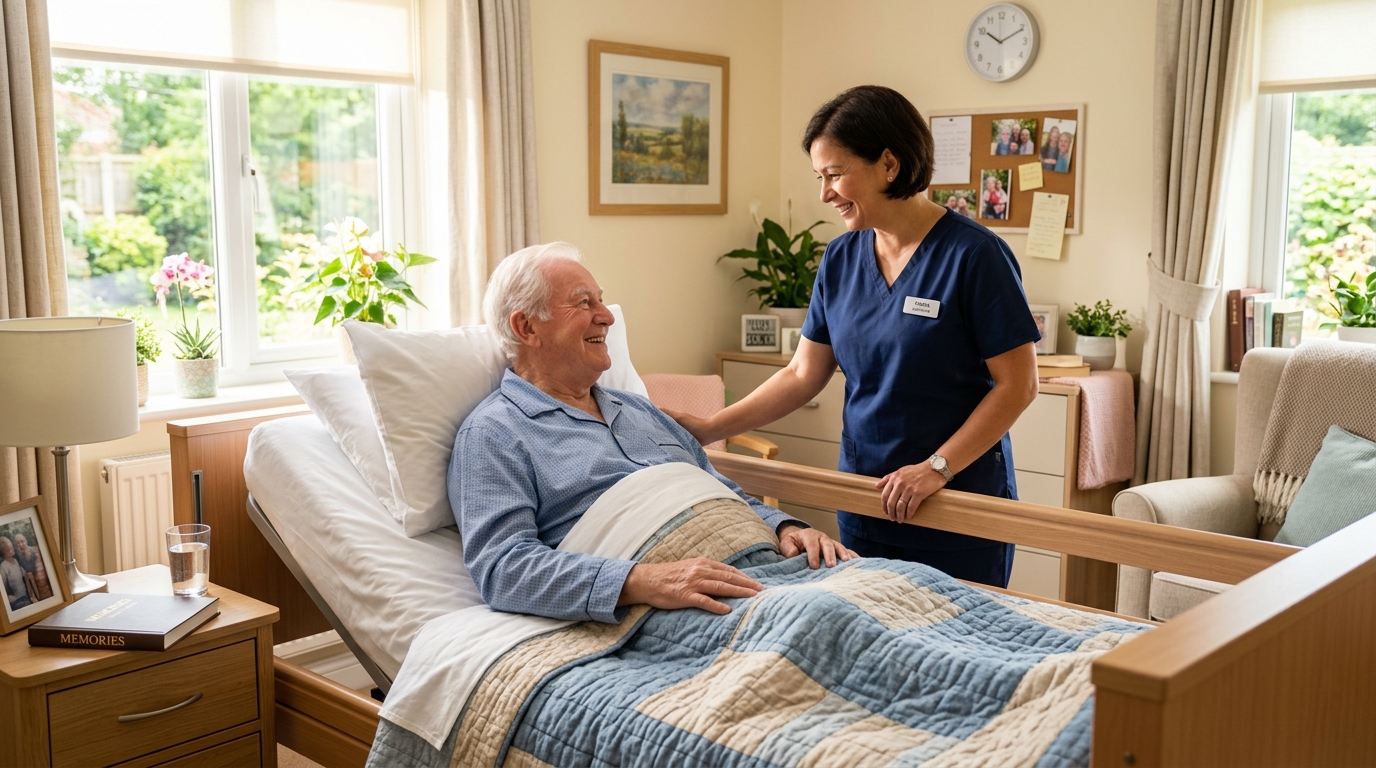
Goal-focused rehabilitation that restores confidence
A hospital stay is often only the beginning of recovery. Our rehabilitation and reablement service bridges the gap between hospital and home, providing the therapy, nursing and encouragement people need to rebuild strength, balance and the practical skills of daily living.
Programmes are led by registered nurses and allied health professionals — physiotherapists and occupational therapists — who set clear, personal goals with each individual. Whether the aim is to walk to the letterbox again, manage stairs safely, regain confidence after a fall or recover after a hip or knee replacement, every plan is built around what the person most wants to be able to do.
We take a 'do with, not do for' approach. Rather than simply doing tasks on someone's behalf, our team coaches and supports people to do as much as they safely can, rebuilding both physical ability and self-belief. This reablement philosophy is proven to improve long-term outcomes and reduce the risk of further decline.
Is this the right care?
Rehabilitation suits people recovering from a health event who have the potential to regain independence with focused support.
- Recovery is underway after a hip or knee replacement or other surgery
- Strength and mobility have declined after a fall or hospital stay
- Confidence and balance need rebuilding to prevent future falls
- Stroke recovery requires ongoing therapy and nursing support
- A short, intensive programme could enable a safe return home
- Daily-living skills such as dressing or cooking need to be relearned
Benefits for residents and families
Allied health expertise
Physiotherapy and occupational therapy focused on measurable, personal goals.
Nursing oversight
Registered nurses managing medication, wound care and overall recovery safely.
Reablement approach
Coaching people to do as much as they can, rebuilding ability and confidence.
Safe return home
Planning, equipment advice and home-safety guidance for a confident discharge.
Motivating environment
Encouragement, progress tracking and a supportive community that keeps people going.
Whole-person care
Attention to mood, nutrition and sleep, which all underpin good physical recovery.
How we deliver this care
Person-centred, evidence-based and built around the goals that matter most to you and your loved one.
Comprehensive assessment
Our team assesses mobility, strength, daily-living skills and goals, often in partnership with hospital teams.
Personal rehab goals
We set clear, meaningful targets — from walking unaided to managing stairs — and a plan to reach them.
Therapy & daily practice
Physiotherapy, occupational therapy and supported daily practice rebuild ability step by step.
Discharge planning
We prepare for a safe return home with equipment, home-safety advice and follow-up support.
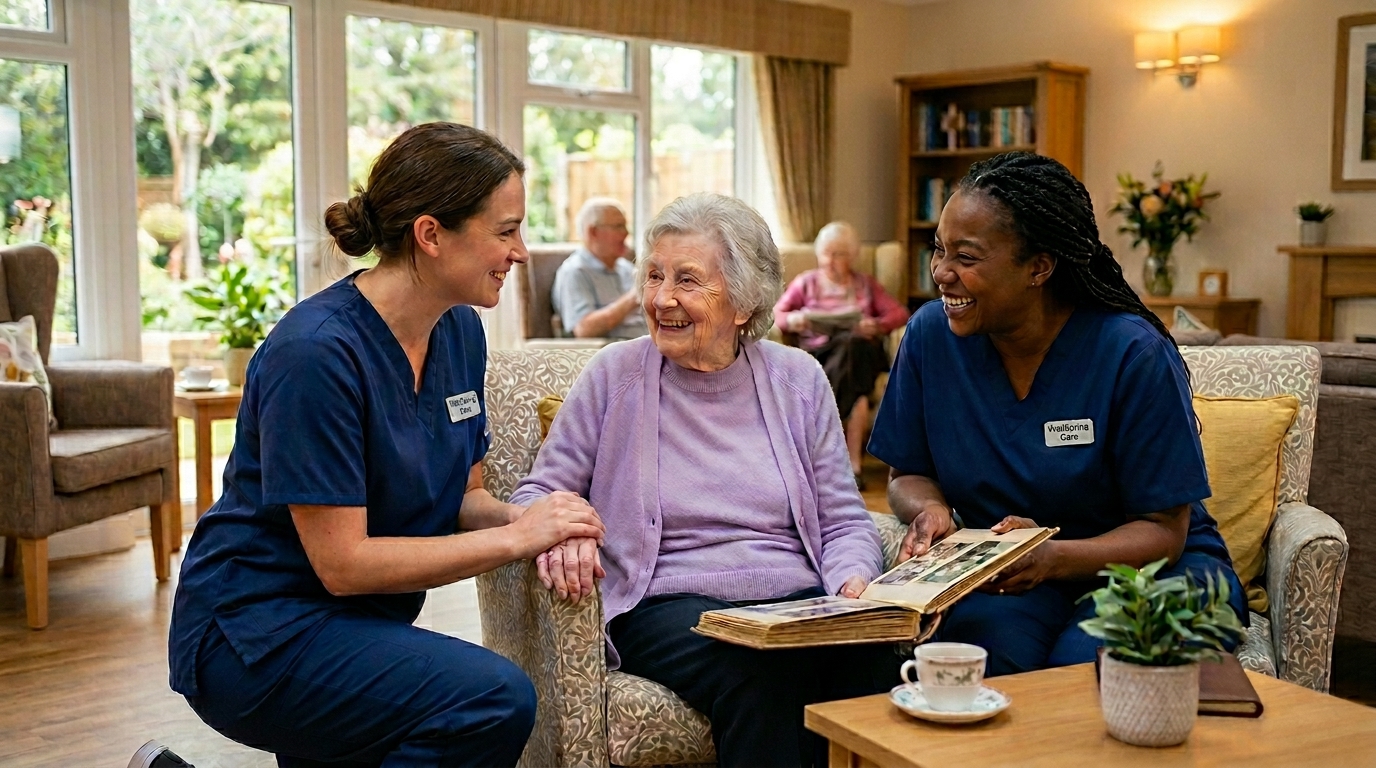
Recovery is a team effort
Families play a vital role in rehabilitation. Encouragement, familiar routines and a clear understanding of goals all help people stay motivated and recover well. We keep families closely informed of progress and involve them in discharge planning.
Before someone returns home, we work with families on practical preparations — equipment such as rails or shower stools, home-safety adjustments and any ongoing support that will help recovery continue safely. The goal is always a confident, sustainable return to independent living.
- Clear progress updates against personal goals
- Guidance on home equipment and safety
- Involvement in discharge planning and follow-up
- Advice on how to support recovery at home
Frequently Asked Questions
Answers to the questions families most often ask us.
How long does a rehabilitation stay take?
It varies with each person's goals and progress — some programmes run for a couple of weeks, others longer. We set realistic timeframes during assessment and review progress regularly.
What is reablement?
Reablement is an approach that supports people to do as much as they safely can for themselves, rather than doing everything for them. It rebuilds both physical ability and confidence and is proven to improve long-term independence.
Do you provide physiotherapy and occupational therapy?
Yes. Our allied health team includes physiotherapists and occupational therapists who design and deliver goal-focused programmes alongside our nursing team.
Can rehabilitation help prevent future falls?
Yes. Falls prevention is central to our work — rebuilding strength and balance, reviewing medication and footwear, and advising on home safety all reduce the risk of further falls.
Will you help us prepare the home for discharge?
Absolutely. We provide practical guidance on equipment and home-safety changes and work with families to ensure a safe, confident return home.
Other ways we support your whānau
Speak with our care advisors
Every family's situation is different. Our care advisors offer a free, no-obligation conversation to help you understand your options and next steps.
Talk to us about rehabilitation
Arrange a visit or a free, no-obligation conversation with our care advisors. We're here to help you find the right path for your whānau.