Residential aged care that feels like home
When living at home is no longer safe or comfortable, our residential care offers round-the-clock support, registered nursing and the warmth of a genuine community — in a place your loved one can truly call home.
A home for life, with care that adapts
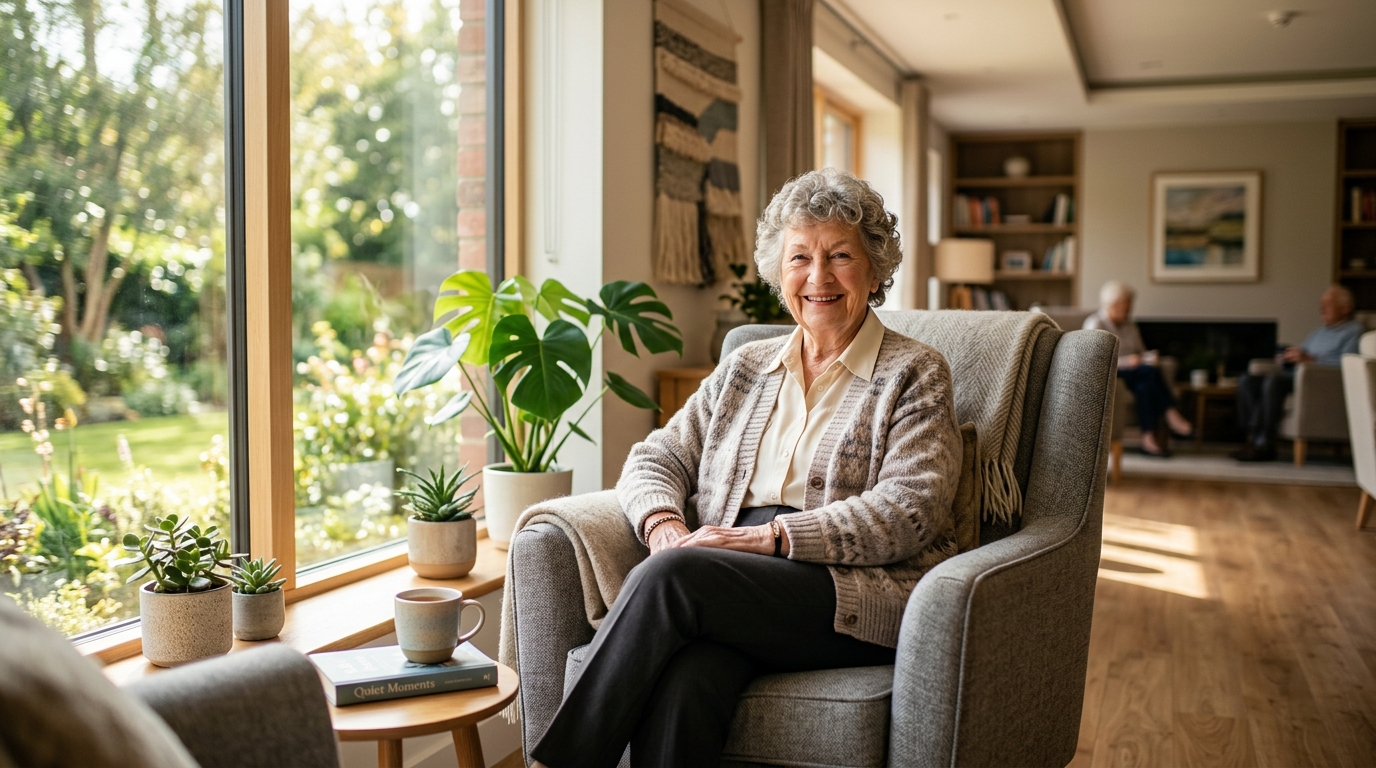
Molly Ryan Care provides both rest home and hospital-level residential care for older New Zealanders who need daily support with personal care, medication, mobility and health monitoring. Our Albany care home is purpose-designed to feel domestic rather than institutional — with sunlit lounges, private and companion rooms, landscaped gardens and shared spaces where residents and whānau gather.
Every resident is supported by a multidisciplinary team led by registered nurses on site 24 hours a day, seven days a week. We coordinate closely with GPs, geriatricians, pharmacists and allied health professionals so that medical needs are met promptly and proactively. As needs change over time, care can step up within the same familiar environment, so residents are not uprooted at the very moment stability matters most.
Above all, residential care at Molly Ryan Care is about dignity. We take time to learn each person's history, routines, preferences and the small things that make a day feel good — the cup of tea at the right strength, the favourite armchair by the window, the music that brings a memory to life.
Is this the right care?
Residential care suits older people whose health or safety needs have grown beyond what can be managed at home, even with support.
- Daily assistance is needed with bathing, dressing, mobility or continence
- Complex medication or health conditions require registered-nurse oversight
- Living alone has become unsafe due to falls, frailty or memory changes
- A spouse or family carer can no longer manage care safely at home
- A hospital discharge requires ongoing nursing-level support
- Companionship, nutrition and routine would lift quality of life
Benefits for residents and families
24/7 registered nursing
Qualified nurses on site at all times, with clear clinical governance and rapid response to changing needs.
Person-centred living
Care plans built around each resident's life story, routines, culture and personal goals.
A real community
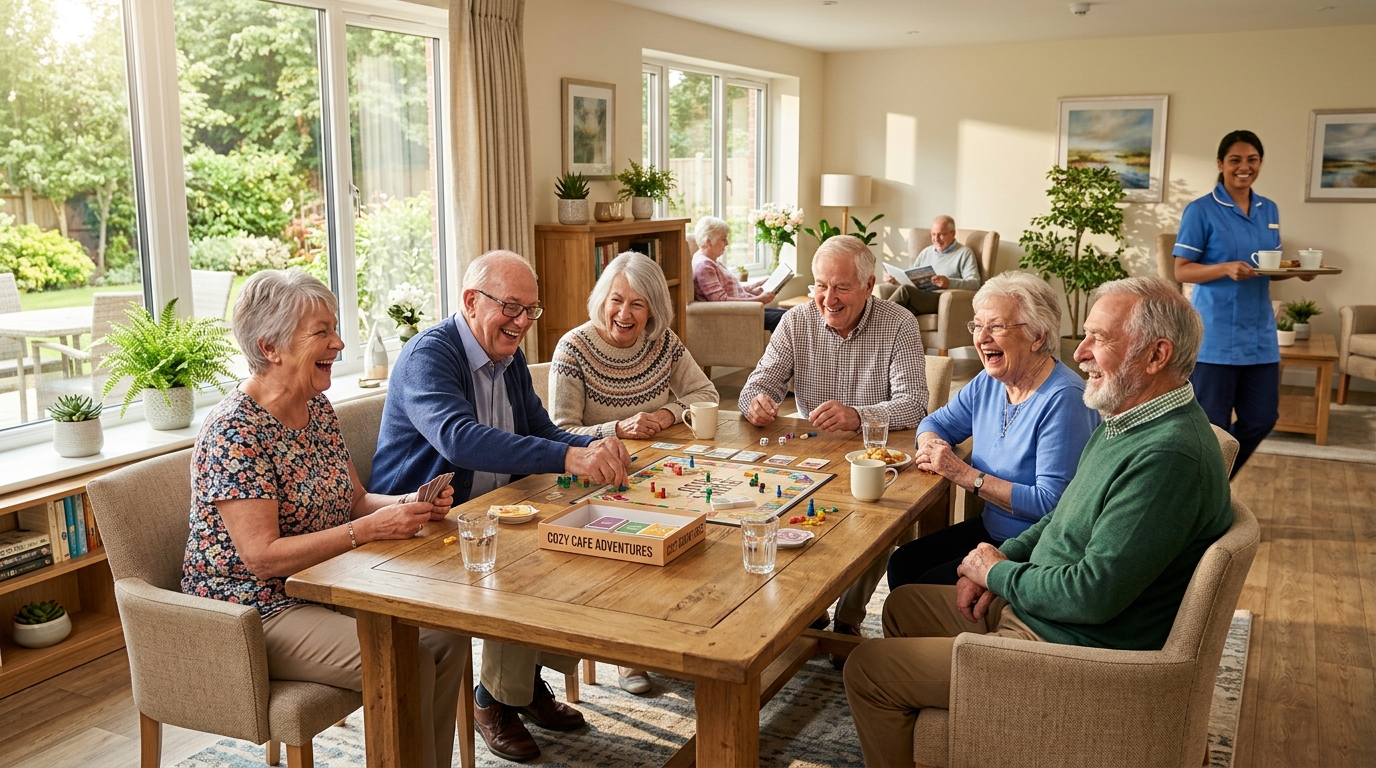
Daily activities, shared meals, outings and friendships that protect against isolation and low mood.
Nourishing kai
Dietitian-reviewed menus and home-style cooking, with support for texture-modified and cultural diets.
Seamless GP & specialist care
Coordinated medical input, medication management and allied health all under one roof.
Whānau always welcome
Open visiting, family rooms and regular updates so you stay close and informed.
How we deliver this care
Person-centred, evidence-based and built around the goals that matter most to you and your loved one.
Assessment & needs review
We complete a comprehensive clinical and personal assessment, working with your GP, NASC and family to understand the full picture.
Personalised care plan
A registered nurse develops an individual care plan covering health, mobility, nutrition, social and cultural needs, reviewed regularly.
Settling in with whānau
We support a gentle transition, encouraging familiar belongings, photos and routines so the room quickly becomes home.
Ongoing review & advocacy
Care is monitored daily and formally reviewed, with families included in decisions and changes communicated clearly.
You remain part of the care team
Moving a parent or partner into residential care is one of the hardest decisions a family makes. We see it as the beginning of a partnership, not a handover. Families are invited to share their loved one's history, contribute to care planning, attend reviews and visit whenever they wish.
We keep communication open and honest — a quick call when something changes, regular updates on wellbeing, and a named contact you can always reach. Many families tell us the relief of knowing their loved one is safe and cared for allows them to simply be family again.
- Open, flexible visiting and dedicated family spaces
- Regular care reviews you're warmly invited to attend
- Cultural and spiritual needs respected and supported
- A named key worker who knows your whānau
Frequently Asked Questions
Answers to the questions families most often ask us.
What is the difference between rest home and hospital-level care?
Rest home care supports people who need help with daily living but are medically stable. Hospital-level care is for those with higher or more complex clinical needs requiring more intensive nursing. We provide both, so residents can move between levels without leaving their familiar home.
How is residential care funded in New Zealand?
Many residents receive a government Residential Care Subsidy following a needs assessment (NASC) and a financial means assessment through Work and Income. Our team can guide you through eligibility, the application process and any additional premium-room options.
Can my family member bring their own furniture?
Yes. We encourage residents to personalise their room with familiar furniture, photos, bedding and treasured belongings — it makes a powerful difference to feeling settled and at home.
How do you keep families informed?
Each resident has a named key worker, and we provide regular updates plus prompt contact whenever there is a change in health or wellbeing. You are always welcome to call or visit.
Will the same GP continue to see my loved one?
Where practical, residents can keep their existing GP. We also work with visiting GPs and geriatric specialists to ensure continuity and timely medical care.
Other ways we support your whānau
Speak with our care advisors
Every family's situation is different. Our care advisors offer a free, no-obligation conversation to help you understand your options and next steps.
Talk to us about residential care
Arrange a visit or a free, no-obligation conversation with our care advisors. We're here to help you find the right path for your whānau.